Sportgel Äppelpaj
29,00 kr
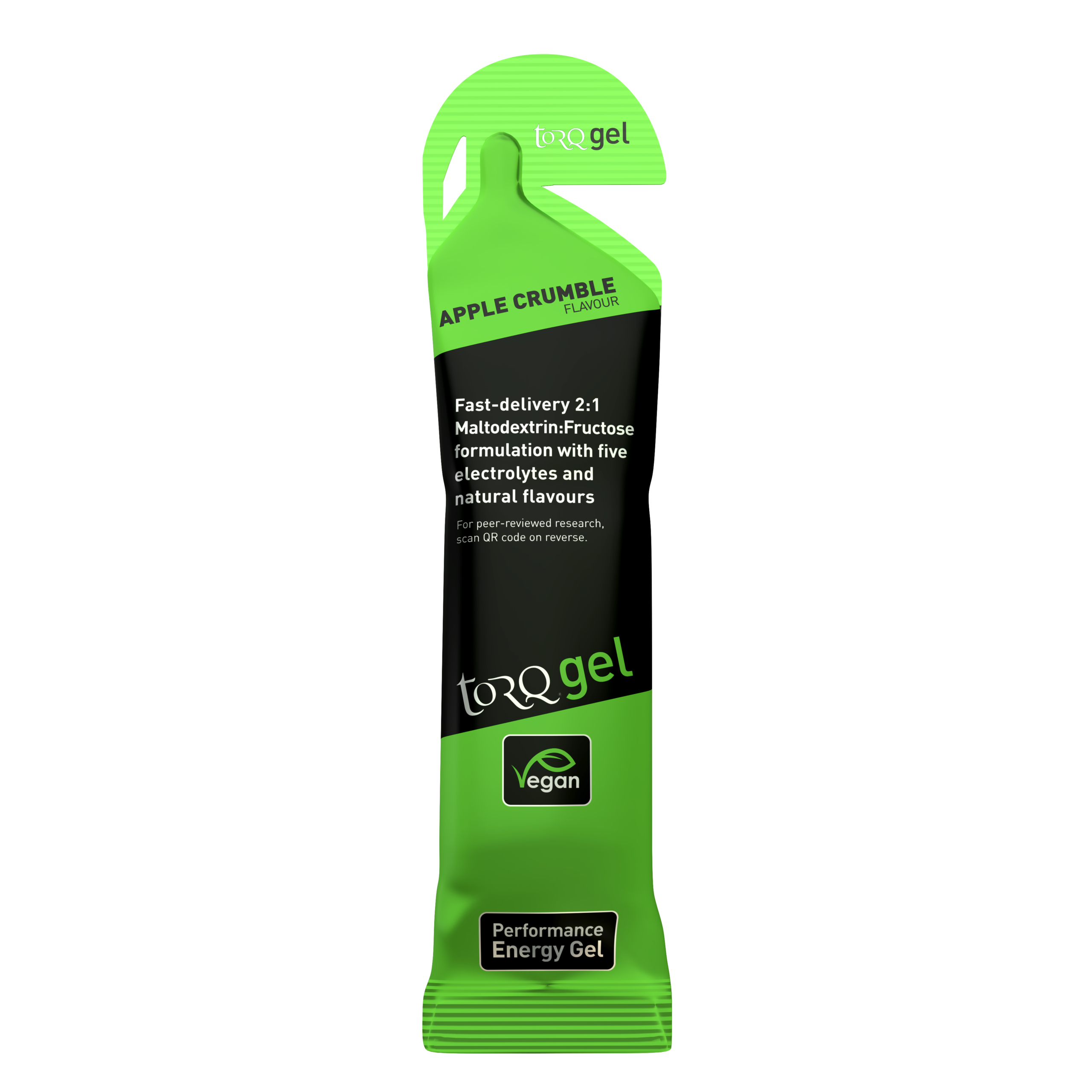
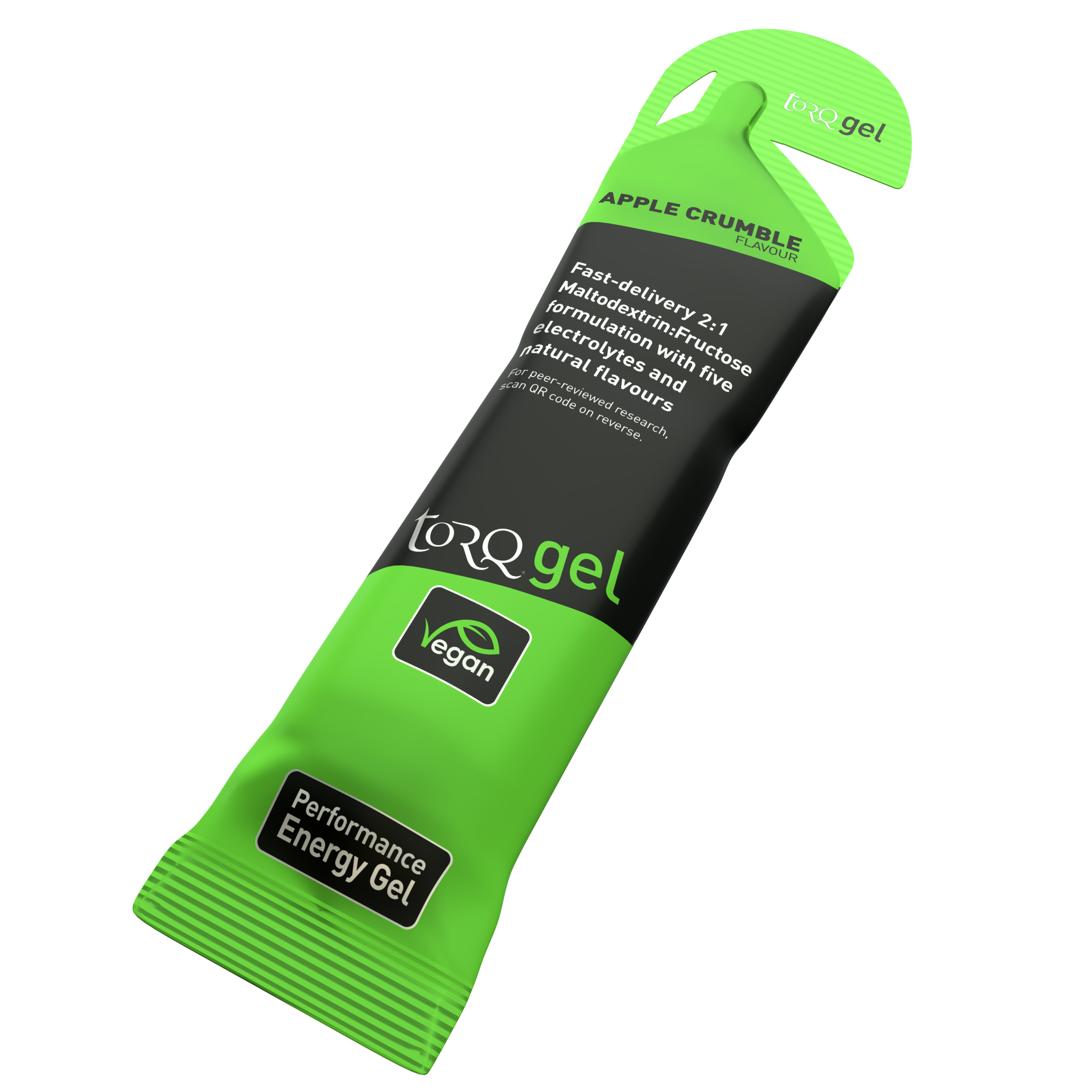
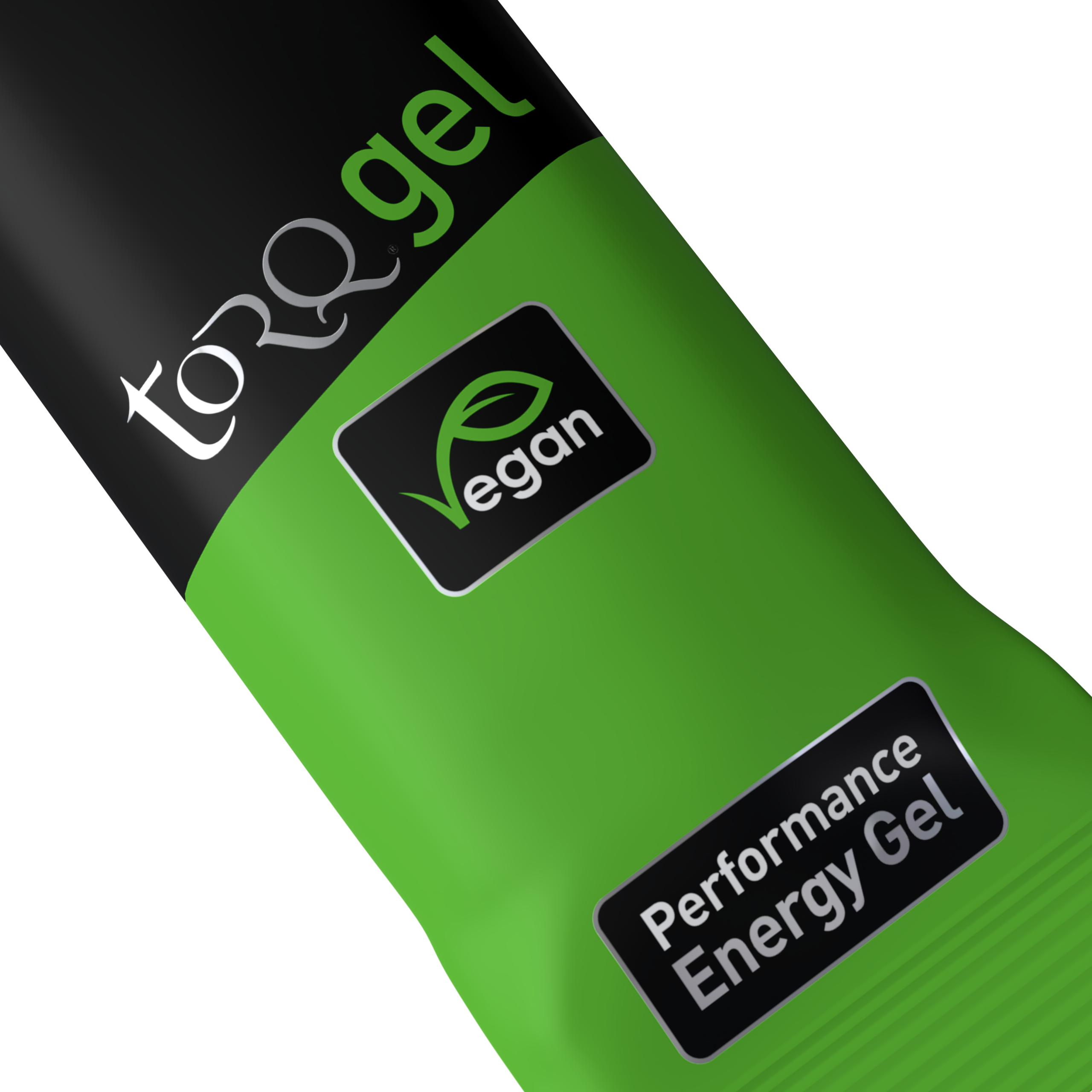
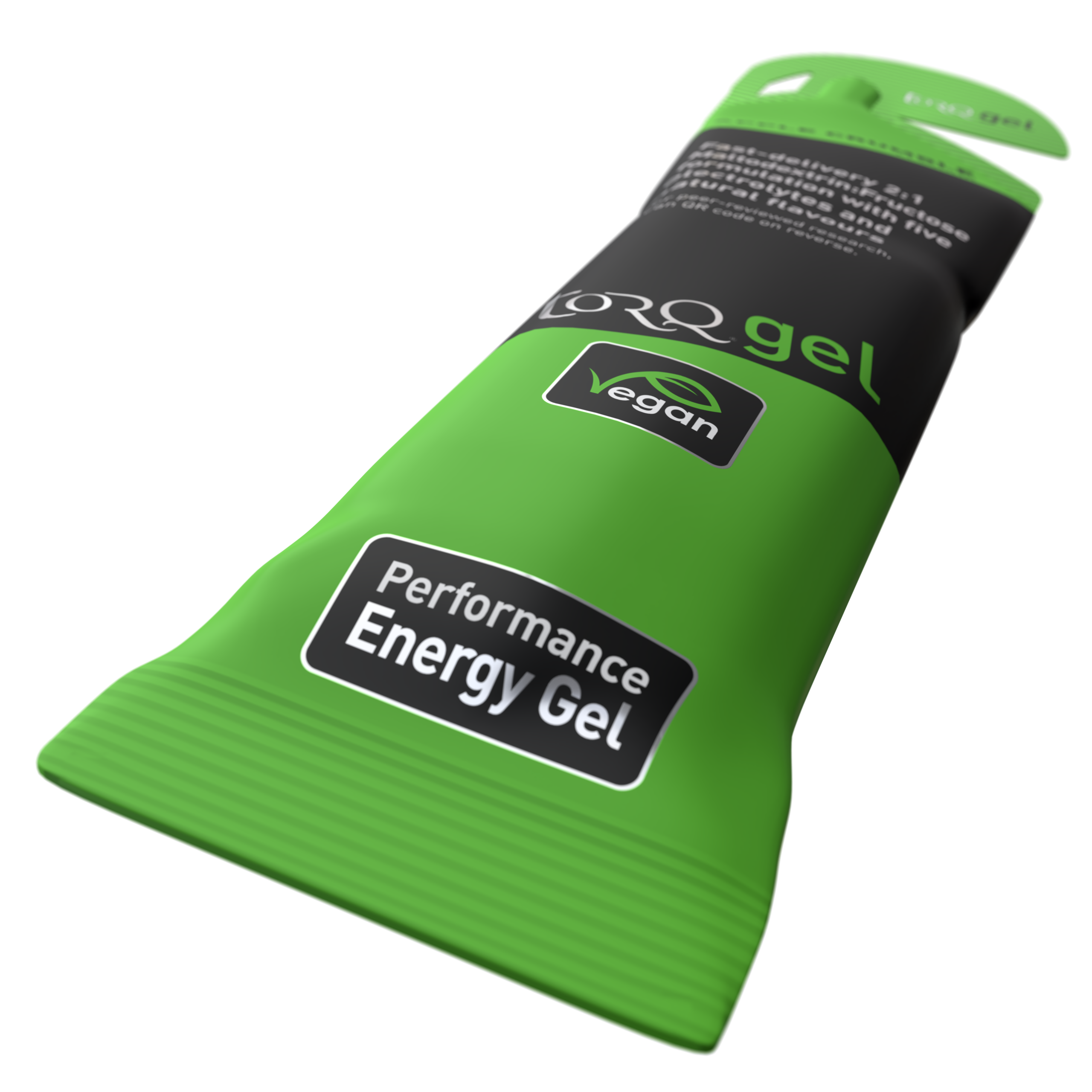
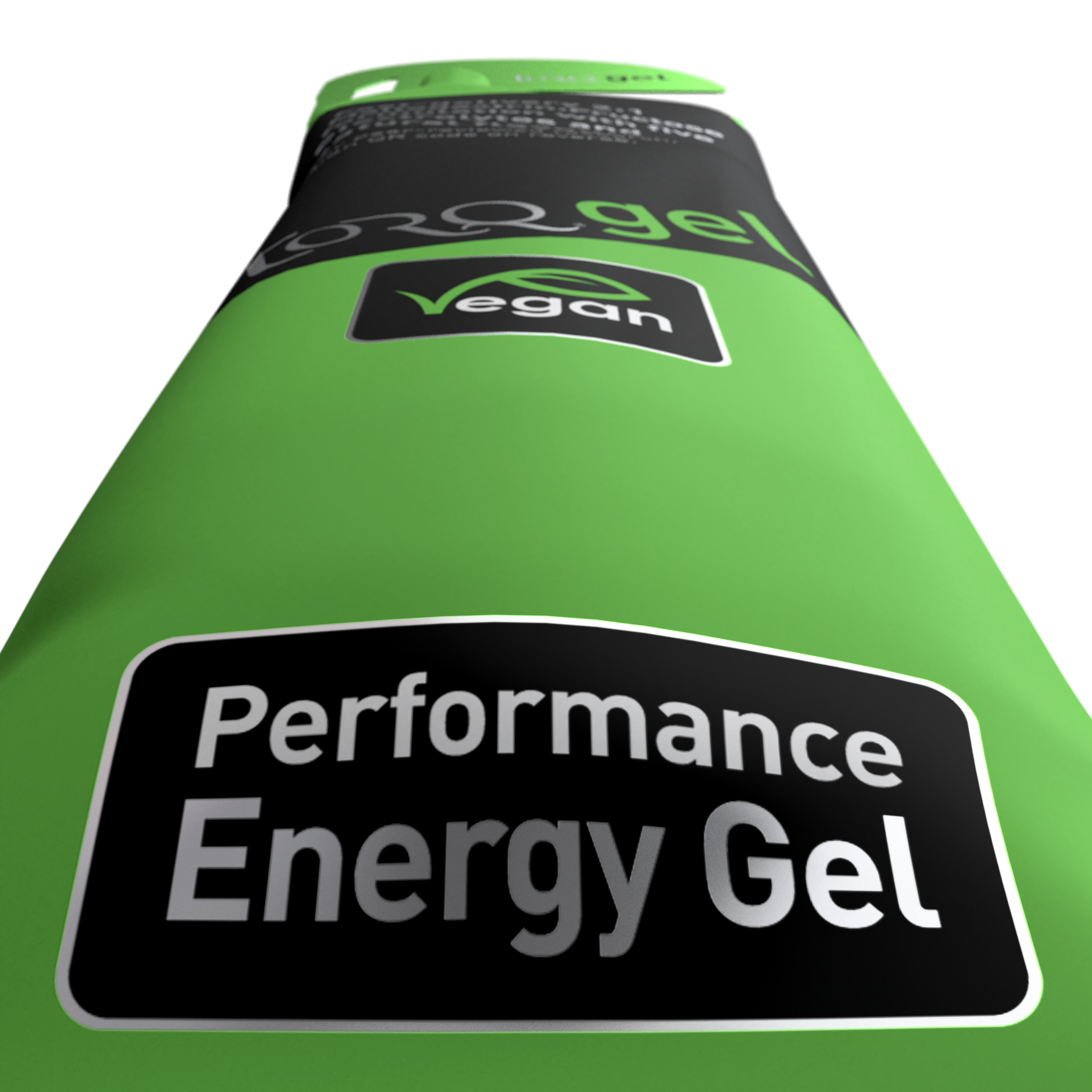
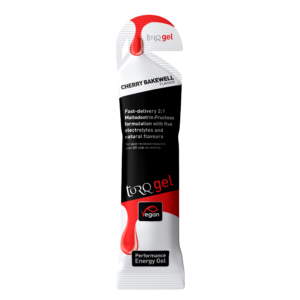
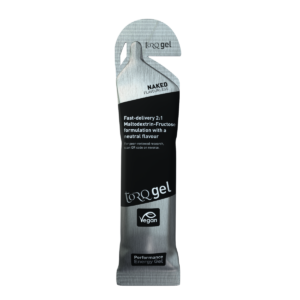
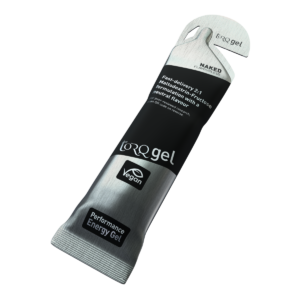
TORQ Gel Apple Crumble är en energigel utvecklad för uthållighetsidrott. Den har en fräsch smak och en silkeslen konsistens som gör den lätt att få i sig även under hög belastning.
Perfekt för löpning, cykling, triathlon och andra intensiva träningspass.

I lager
- Säkra betalningar
- Kan hämtas i butik
- Produkter av premiumkvalitet
- Beskrivning
- Ingredienser
- Näringsdeklaration
- Användning
- Livsmedelsinformation
- Forskning
- Recensioner (0)
Beskrivning
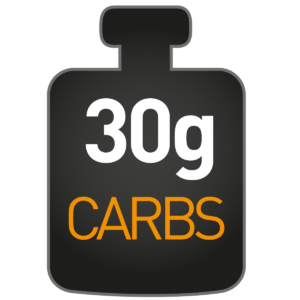
TORQ Gel Apple Crumble (äppelpaj) är en energigel med en mjuk och silkeslen konsistens som gör den lätt att konsumera även under ansträngning. Gelen innehåller 30 g kolhydrater i ett 2:1-förhållande mellan maltodextrin och fruktos, samt fem elektrolyter. Den är vegansk, mjölkfri och vetefri.
TORQ Energy Gel är baserad på samma 2:1-formulering och är utvecklad för att göra det enkelt att tillföra kolhydrater under träning och tävling. Gelen ingår i TORQ Fuelling System, vilket gör den enkel att kombinera med sportdryck, bars och chews som en del av ett planerat energiintag.
✔ 30 g kolhydrater per gel
✔ 2:1 maltodextrin–fruktos
✔ Med elektrolyter
✔ Vegansk, mjölkfri och vetefri

Ingredienser
Maltodextrin (glukospolymerer) (43%), vatten, fruktos (21,5%), elektrolyter (natriumklorid, kalciumlaktat, kaliumklorid, magnesiumkarbonat), syra (äppelsyra), naturlig arom (0,3 %), konserveringsmedel (kaliumsorbat).
Näringsdeklaration
| Näringsvärde | per 100 g | per 45 g portion |
|---|---|---|
| Energi | 1081 kJ | 486 kJ |
| Energi | 254 kcal | 114 kcal |
| Fett | 0 g | 0 g |
| varav mättat fett | 0 g | 0 g |
| Kolhydrater | 64 g | 29 g |
| varav sockerarter | 25 g | 11 g |
| Fiber | 0 g | 0 g |
| Protein | 0 g | 0 g |
| Salt | 0,30 g | 0,14 g |
| Klorid | 220 mg | 99 mg |
| Natrium | 109 mg | 49 mg |
| Kalium | 54 mg | 24 mg |
| Magnesium | 2,4 mg | 1 mg |
| Kalcium | 14 mg | 6 mg |
Användning
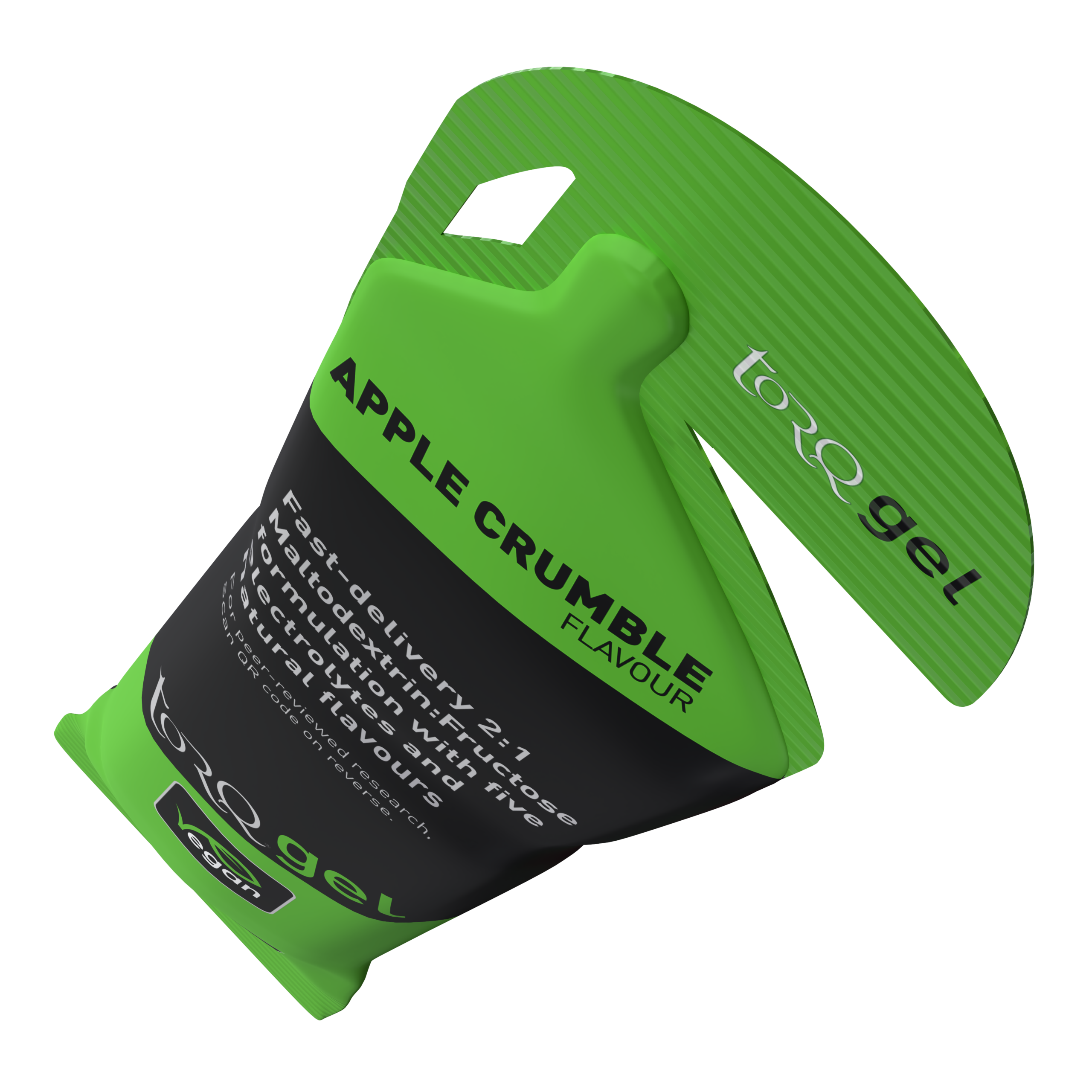
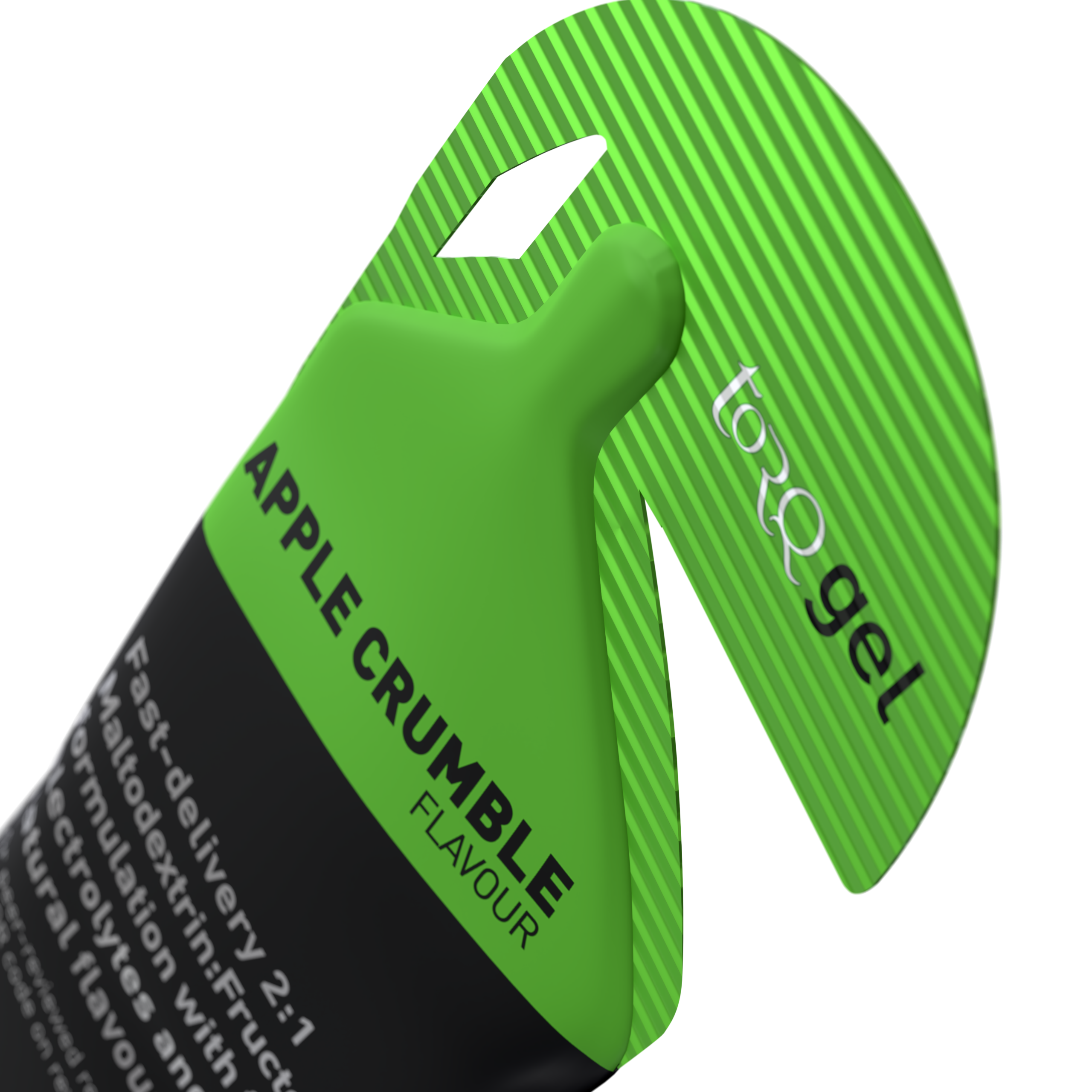
Inta 1 gel var 20–30 minut under träning eller tävling, beroende på intensitet och energibehov. Kan användas tillsammans med sportdryck för optimal energitillförsel enligt TORQ Fuelling System där varje servering ger 30g kolhydrater. Öppnas genom att riva av flärpen som du låter hänga kvar och självklart kastas den tomma förpackningen i närmsta soptunna.
Livsmedelsinformation
Ursprungsland: Storbritannien
Förvaring: Förvaras svalt och torrt, undvik direkt solljus.
Bäst före: Se förpackning.
Nettovikt: 45g
Svensk distributör HG massage AB. Kaggensgatan 11, 392 32 Kalmar. info@hgmassage.se
Forskning
- Stellingwerff, T & Cox, GR. (2014)
Systematic review: Carbohydrate supplementation on exercise performance or capacity of varying durations. Appl Physiol Nutr Metab. 2014 Sep;39(9):998-1011. - Wilson. PB., Ingraham, SJ. (2015)
Glucose-fructose likely improves gastrointestinal comfort and endurance running performance relative to glucose-only. Scand J Med Sci Sports. [Epub ahead of print]. - Currell, K & Jeukendrup, A.E. (2008)
Superior endurance performance with ingestion of multiple transportable carbohydrates. Med Sci Sports Exerc. 40(2):275–81. - Triplett, D., Doyle, D., Rupp, J., Benardot, D. (2010)
An isocaloric glucose-fructose beverage’s effect on simulated 100-km cycling performance compared with a glucose-only beverage. Int J Sport Nutr Exerc Metab. 20(2):122–31 - Tarpey, M.D., Roberts, J.D., Kass, L.S., Tarpey, R.J., Roberts, M.G. (2013)
The ingestion of protein with a maltodextrin and fructose beverage on substrate utilisation and exercise performance. Appl Physiol Nutr Metab. 38(12):1245–53. - Rowlands, D.S., Swift, M., Ros, M., Green, J.G. (2012)
Composite versus single transportable carbohydrate solution enhances race and laboratory cycling performance. Appl Physiol Nutr Metab. 37(3):425–36. - Baur, D.A., Schroer, A.B., Luden, N.D., Womack, C.J., Smyth, S.A., Saunders, M.J. (2014)
Glucose-fructose enhances performance versus isocaloric, but not moderate, glucose. Med Sci Sports Exerc. 46(9):1778–86. - Rowlands, D.S., Thorburn, M.S., Thorp, R.M., Broadbent, S.M., Shi, X. (2008)
Effect of graded fructose co-ingestion with maltodextrin on exogenous 14C-fructose and 13C-glucose oxidation efficiency and high-intensity cycling performance. J Appl Physiol. 104:1709–19. - O’Brien, W.J & Rowlands, D.S. (2011)
Fructose-maltodextrin ratio in a carbohydrate-electrolyte solution differentially affects exogenous carbohydrate oxidation rate, gut comfort, and performance. Am J Physiol Gastrointest Liver Physiol. 300(1):G181–9. - O’Brien, W.J., Stannard, S.R., Clarke, J.A., Rowlands, D.S. (2013)
Fructose–maltodextrin ratio governs exogenous and other CHO oxidation and performance. Med Sci Sports Exerc. 45(9):1814–24. - Rowlands, D.S., Swift, M., Ros, M., Green, J.G. (2012)
Composite versus single transportable carbohydrate solution enhances race and laboratory cycling performance. Applied Physiology, Nutrition, and Metabolism. 37(3): 425-436. - Smith, J.W., Pascoe, D.D., Passe, D., Ruby, B.C., Stewart, L.K., Baker, L.B., et al. (2013)
Curvilinear dose-response relationship of carbohydrate (0–120 g·h−1) and performance. Med Sci Sports Exerc. 45(2):336–41. - Roberts, J.D., Tarpey, M.D., Kass, L.S., Tarpey, R.J., Roberts, M.G. (2014)
Assessing a commercially available sports drink on exogenous carbohydrate oxidation, fluid delivery and sustained exercise performance. J Int Soc Sports Nutr. 11(1):1–14. - Jentjens, R.L., Underwood, K., Achten, J., Currell, K., Mann, C.H., Jeukendrup, A.E. (2006)
Exogenous carbohydrate oxidation rates are elevated after combined ingestion of glucose and fructose during exercise in the heat. J Appl Physiol. 100(3):807–16. - Jeukendrup, A.E & Moseley, L. (2010)
Multiple transportable carbohydrates enhance gastric emptying and fluid delivery. Scand J Med Sci Sports. 20(1):112–21. - Davis, J.M., Burgess, W.A., Slentz, C.A., Bartoli, W.P. (1990)
Fluid availability of sports drinks differing in carbohydrate type and concentration. Am J Clin Nutr. 51(6):1054–7. - Jentjens, R.L., Venables, M.C., Jeukendrup, A.E. (2004)
Oxidation of exogenous glucose, sucrose, and maltose during prolonged cycling exercise. J Appl Physiol. 96(4):1285–91. - Jentjens, R.L., Achten, J., Jeukendrup, A.E. (2004)
High oxidation rates from combined carbohydrates ingested during exercise. Med Sci Sports Exerc. 36(9):1551–8. - Wallis, G.A., Rowlands, D.S., Shaw, C., Jentjens, R.L., Jeukendrup, A.E. (2005)
Oxidation of combined ingestion of maltodextrins and fructose during exercise. Med Sci Sports Exerc. 37(3):426–32. - Jentjens, R.L., Moseley, L., Waring, R.H., Harding, L.K., Jeukendrup, A.E. (2004)
Oxidation of combined ingestion of glucose and fructose during exercise. J Appl Physiol. 96(4):1277–84. - Jentjens, R.L & Jeukendrup, A.E. (2005)
High rates of exogenous carbohydrate oxidation from a mixture of glucose and fructose ingested during prolonged cycling exercise. Brit J Nutr. 93:485–92. - Fuchs, C.J., Gonzalez, J.T., Beelen, M., Cermak, N.M., Smith, F.E., Thelwall, P.E., Taylor, R., Trenell, M.I., Stevenson, E.J., van Loon, L.J. (2016)
Sucrose ingestion after exhaustive exercise accelerates liver, but not muscle glycogen repletion compared with glucose ingestion in trained athletes. J Appl Physi. [Epub ahead of print].
Recensioner
Det finns inga recensioner än.